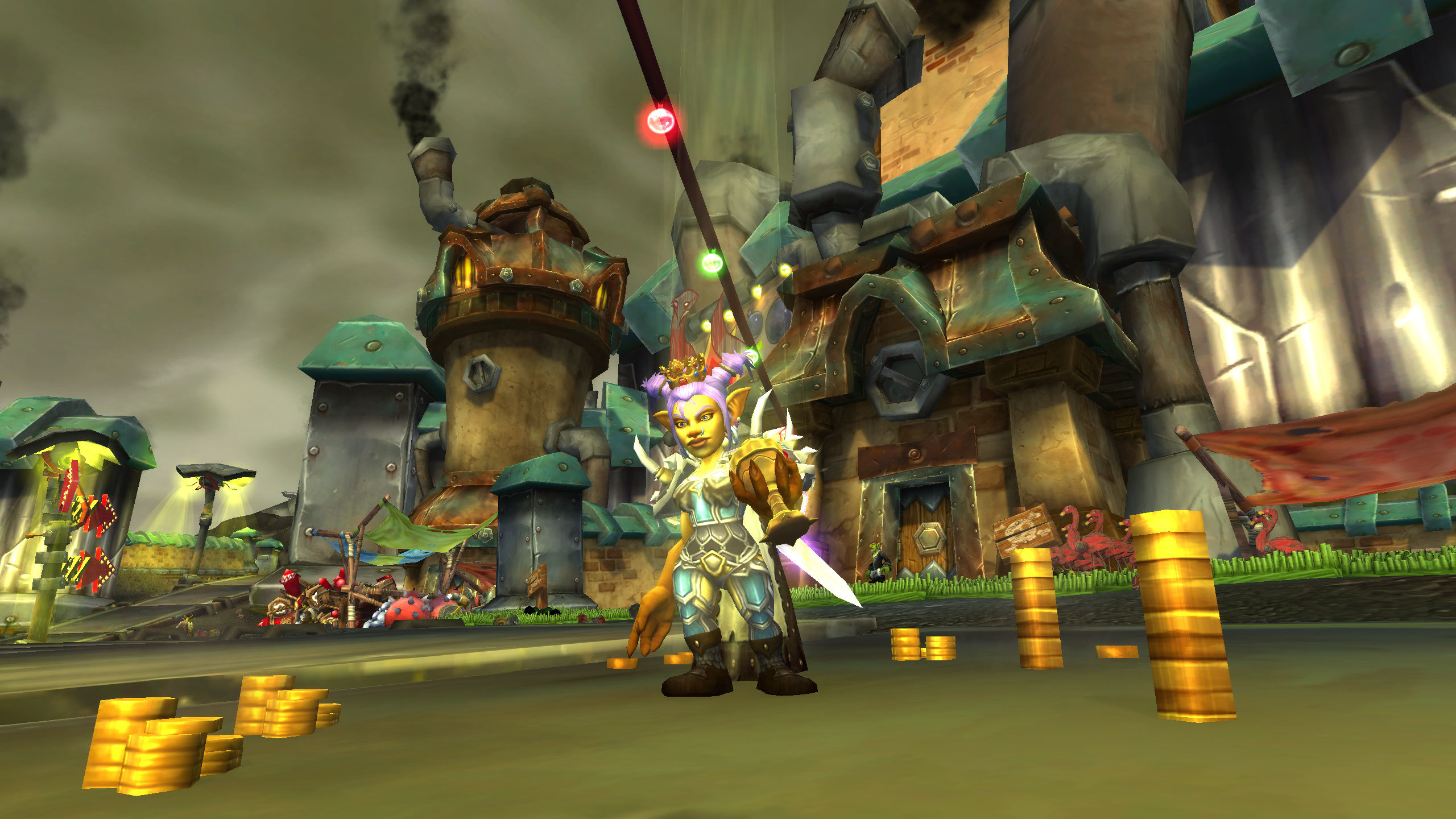
Player titles in World of Warcraft are more than cosmetic labels—they are social badges, identity markers, and subtle signals that shape how players perceive one another. From “the Light of Dawn” to “Arena Master” to “of the Black Harvest,” titles convey achievement, prestige, dedication, or playful charm. Even though they provide no gameplay advantage, titles influence social behavior, guild recruitment, grouping decisions, and how players interact in both casual and competitive settings.
This article explores how titles quietly shape social dynamics, how communities interpret them, and why they remain a powerful cultural pillar even after nearly two decades.
Titles as Symbols of Accomplishment
Many titles come from difficult or time-consuming achievements. When a player wears “the Proven Defender,” “the Immortal,” or “Keystone Master,” it immediately communicates their experience. Without saying a word, they convey knowledge of specific content types—raids, challenge modes, arenas, seasonal keystones, or rare achievements. These titles become social shortcuts for competence, giving others a sense of what the player may bring to a group.
Players often form quick judgments based on the difficulty associated with a title, whether accurate or not.
Prestige Titles and Social Hierarchy
Some titles carry more weight than others. Titles tied to high-end raiding, rated PvP, or limited-time achievements often sit atop the informal social hierarchy. For example, “Gladiator,” “Cutting Edge,” and “the Unchained Gladiator” immediately elevate a player’s perceived status. Even in casual content, these titles draw attention and often spark curiosity or admiration.
Prestige titles serve as social currency, revealing a player’s history with the game.
How Titles Affect Group Invitations
Group leaders routinely scan titles to assess applicants quickly. A player wearing a respected or seasonal title may be perceived as more reliable, experienced, or competent, even if they are playing an alt or unfamiliar spec. Conversely, whimsical or joke titles can sometimes lead to unfair dismissal in competitive environments. Titles, intentionally or not, influence how others judge suitability for Mythic+, raids, or PvP teams.
These small social decisions reinforce the importance of curated player identity.
| Title Type | Player Perception | Common Impact |
|---|---|---|
| High-End PvP Titles (Gladiator) | Elite skill, aggressive playstyle | More arena invites, higher expectations |
| Mythic Raider Titles (Cutting Edge) | Endgame dedication and precision | Preferred in raid recruitment |
| Seasonal Keystone Titles | Experience with timed content | Boosted acceptance in key groups |
| Heritage or Exploration Titles | Collections-focused or casual player | Neutral, often non-competitive contexts |
| Silly or Fun Titles | Lighthearted personality | Acceptance in social-oriented guilds |
Identity Expression Through Titles
Titles allow players to express personality. Some choose titles that match transmog themes, like pairing “the Astral Walker” with starry outfits or “the Flamebreaker” with fire-themed armor. Others wear nostalgic titles from early expansions to show long-term loyalty. Some prefer comedic titles to convey a relaxed attitude. Titles become a form of digital fashion—another layer of identity customization beyond cosmetics and mounts.
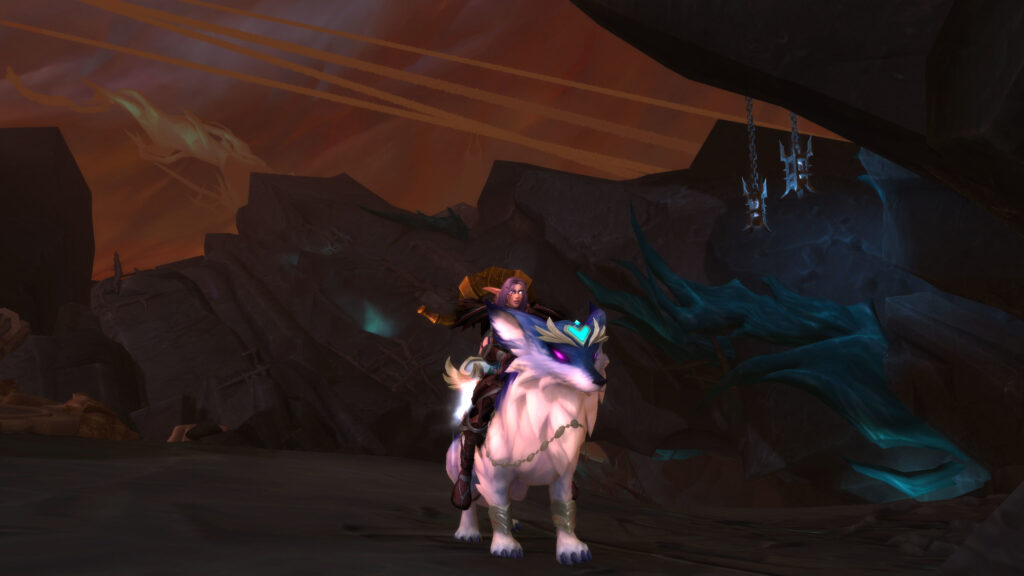
They reflect who the player wants to be seen as, not just what they’ve accomplished.
Social Bias: How Titles Create Assumptions
While titles can highlight achievement, they can also create inaccurate assumptions. A player with a high-end raiding title might be new to a spec or returning after a long break. A casual player might wear a prestigious title earned during an easier scaling patch or by being carried. Bias operates both positively and negatively, shaping social interactions through perceptions rather than facts.
These biases reveal how human psychology permeates virtual environments just as much as real-life contexts.
Guild Culture and Title Significance
Some guilds encourage members to display specific titles during progression as a symbol of unity or pride. Others use titles to highlight veteran members or those who achieved long-term milestones. Titles may also become inside jokes, community markers, or celebratory badges awarded during guild events. In this sense, titles help build identity not just for individuals but for entire communities.
They strengthen bonds, reinforce culture, and create shared stories.
Legacy Titles and Their Mythic Appeal
Removed titles—such as those from original Ahn’Qiraj or Challenge Modes—carry a mythic status. They act as relics from earlier eras, instantly distinguishing long-time players. Even new players recognize the significance of titles no longer obtainable. Legacy titles create a sense of history, reminding everyone that Azeroth has evolved through countless eras and that some achievements remain forever tied to their moment in time.
These titles preserve the emotional weight of WoW’s long legacy.
Titles as Conversation Starters
Titles often spark discussions. Players may whisper others asking how they earned a rare title, which expansion it came from, or what challenges it involved. This creates organic social interaction—conversations that begin not in LFG or guild chat but through curiosity. Titles become the bridge that leads strangers to discuss achievements, share memories, or join guilds together.
In a world with millions of players, titles help break the ice.
Why Titles Still Matter After 20 Years
Despite countless updates, UI changes, and new systems, titles continue to represent one of WoW’s most timeless cosmetic rewards. They offer permanence—unlike gear, mounts, or borrowed power systems, titles endure across expansions. They accumulate into a player’s personal history, documenting their journey through Azeroth. More importantly, they influence how players view each other, interpret skill, and form connections.
Titles shape perception not because of their power, but because of the stories behind them.
Conclusion
Player titles hold surprising influence over WoW’s social dynamics. They act as markers of skill, identity, history, and personality. They guide group decisions, spark conversations, and create unspoken expectations. Whether prestigious, whimsical, historical, or personal, titles remain a core part of how players present themselves—and how others perceive them. In a game built on community interaction, titles serve as silent storytellers that speak volumes about who a player has been and who they want to be.
They are more than text on a nameplate—they are the social heartbeat of Azeroth.