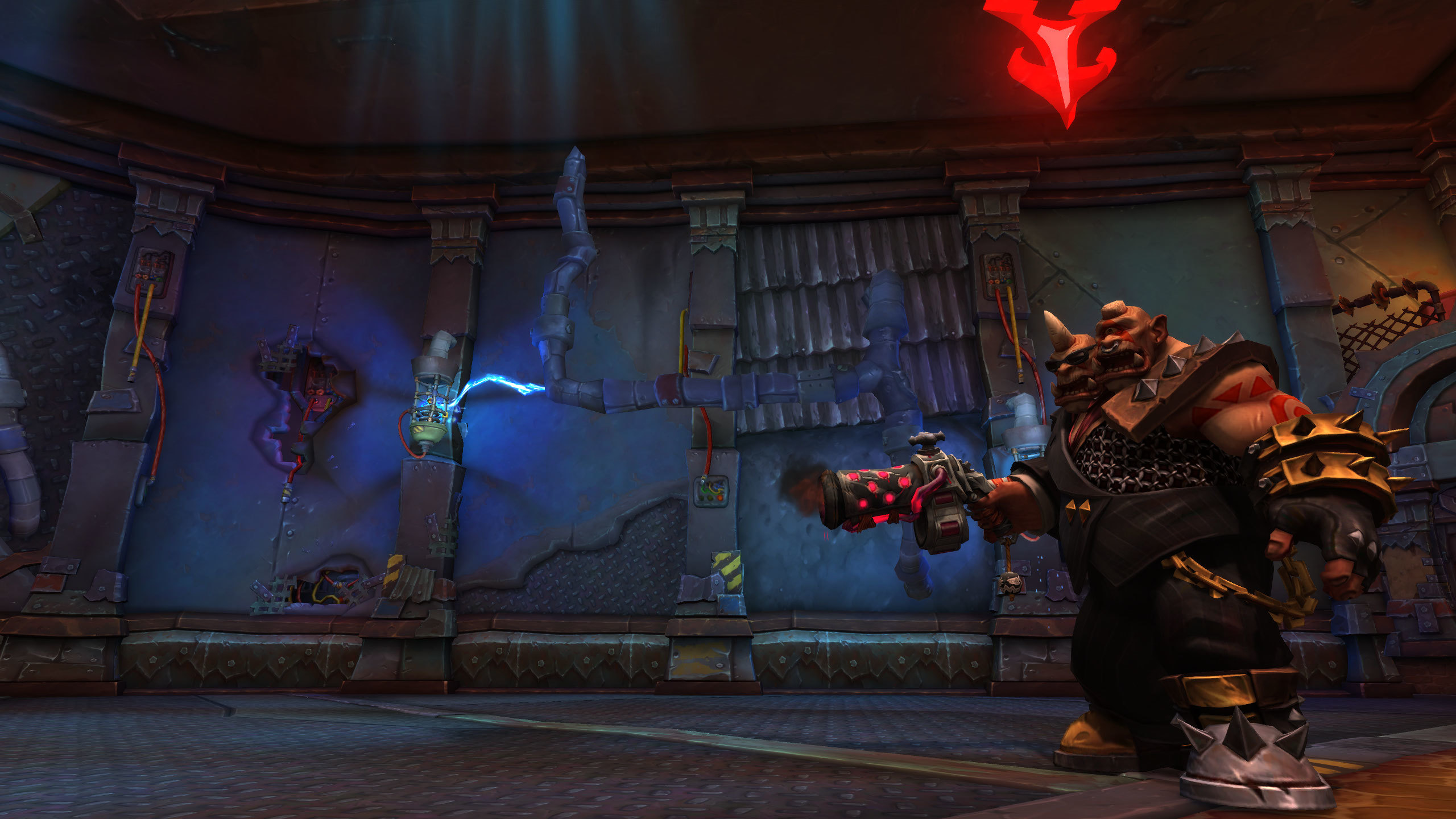
Modern dungeon environments are no longer passive backdrops. Terrain, hazards, and spatial layouts actively shape how groups move, pull, and survive encounters.
Movement becomes a strategic decision rather than a reaction.
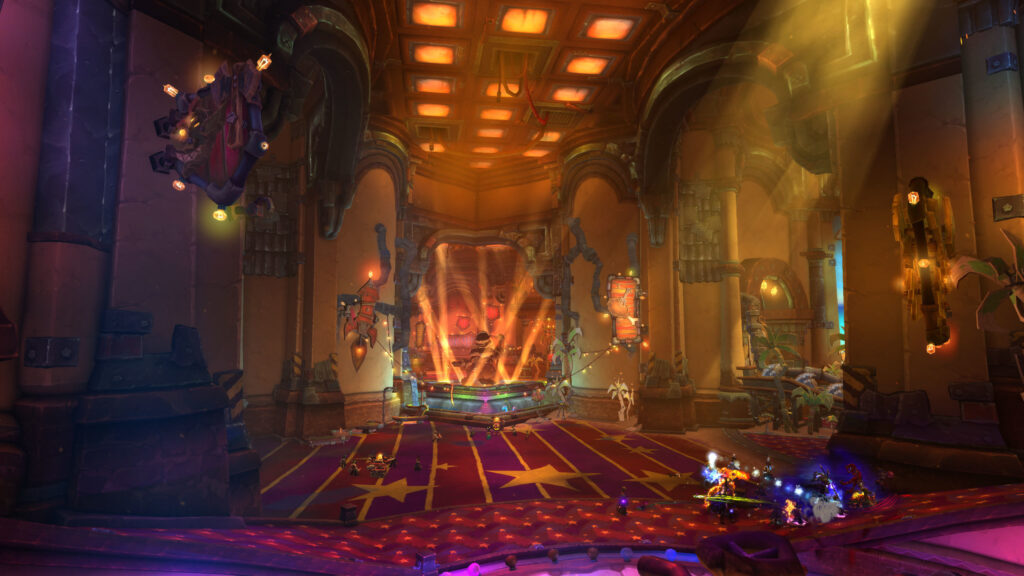
From Flat Spaces to Purposeful Layouts
Earlier dungeons often featured wide, forgiving spaces. Today’s designs use elevation, narrow paths, and layered rooms to guide player behavior.
The environment itself applies pressure.
Environmental Features That Shape Movement
Specific design elements consistently influence positioning.
- Choke points that limit pull size
- Line-of-sight blockers that enable resets
- Hazards that punish stationary play
- Vertical spaces that reward awareness
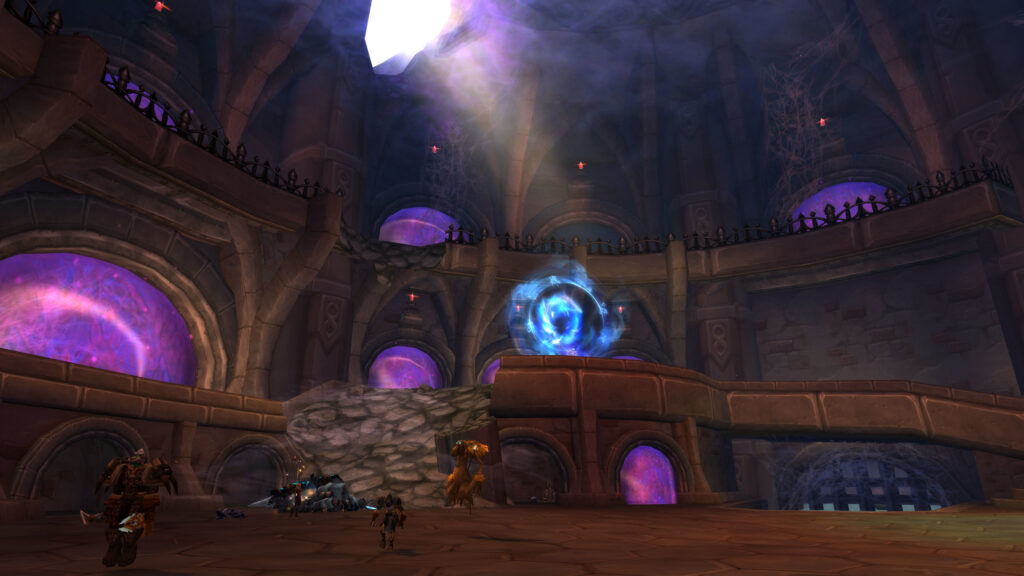
Each feature nudges players toward intentional choices.
Strategic Movement Reduces Damage Taken
Proper positioning avoids unnecessary damage and reduces healer strain. Groups that move with purpose often survive with fewer cooldowns.
Efficiency begins with footwork.
Pull Planning Through Environmental Awareness
Tanks and leaders use terrain to control engagements. Corners, stairs, and tight corridors shape how enemies stack and cast.
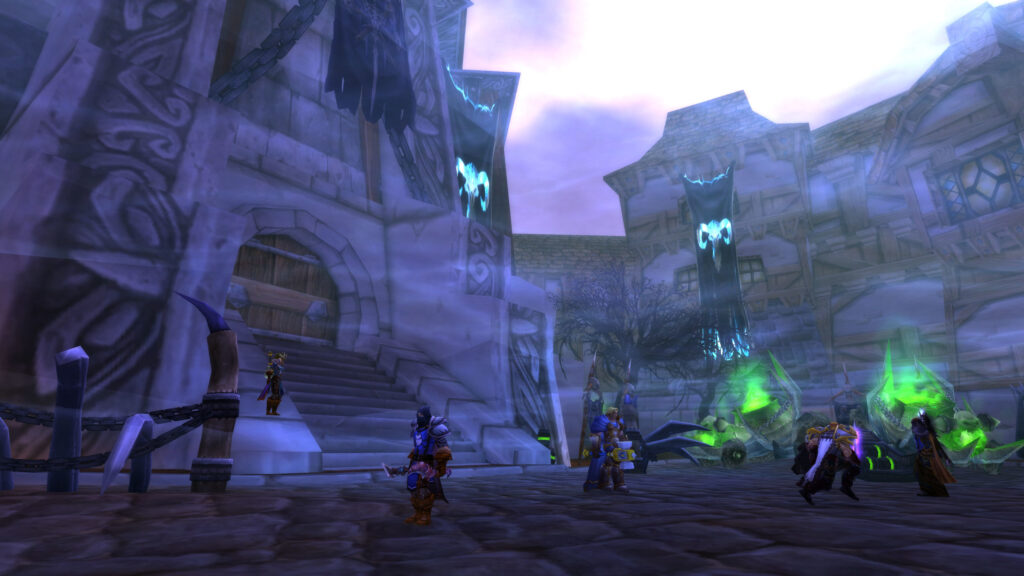
The environment becomes a defensive tool.
Skill Expression Beyond Rotations
Environmental mastery separates experienced groups from average ones. Knowing where to stand and when to move often matters more than perfect rotations.
Spatial awareness becomes a core skill.
Conclusion
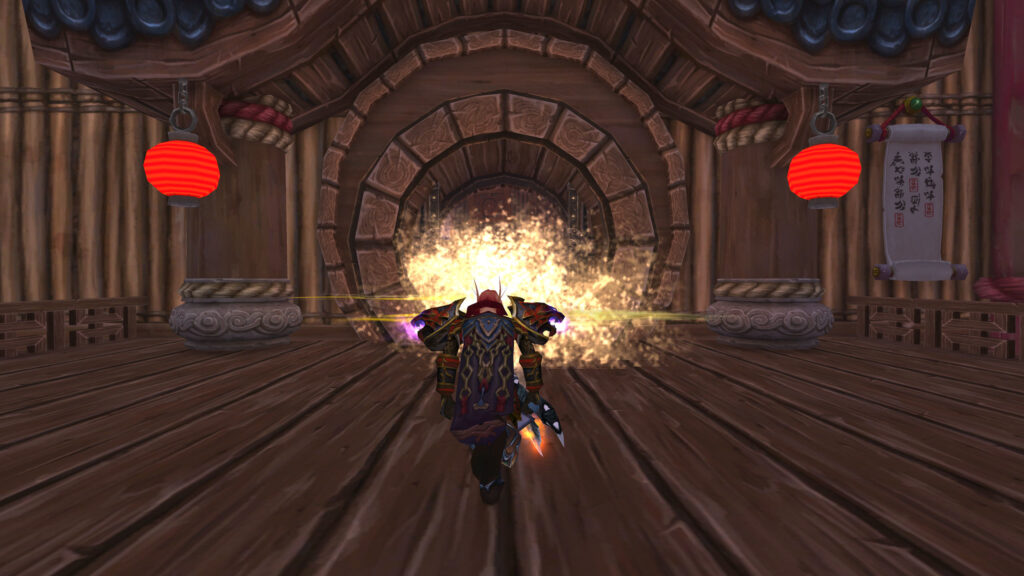
Dungeon environmental design encourages strategic movement by turning space into a gameplay mechanic. Groups that respect terrain and move deliberately gain control, stability, and consistency throughout a run.